Risk Management with Sentiment-Based Trading
Trading based on market sentiment—like the Fear & Greed Index—can give you a powerful edge. But without proper risk management, even the best sentiment signals can lead to losses. In this guide, we’ll explore how to build a solid risk management plan when using sentiment-based strategies, and how to avoid common pitfalls in emotional market environments.
Why Sentiment-Based Trading Needs Risk Control
Sentiment indicators measure emotional extremes, which can create opportunities—but also volatility. Fear and greed can drive irrational price moves, and acting solely on emotion or index levels without discipline can backfire.
That’s why combining sentiment data with sound risk rules is essential for long-term success.
5 Core Risk Management Strategies for Sentiment-Based Traders
1. Use Sentiment as Confirmation—Not the Sole Trigger
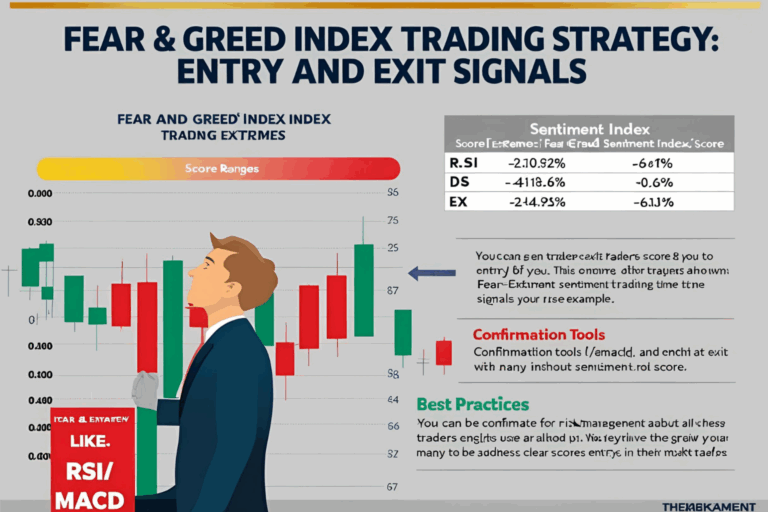
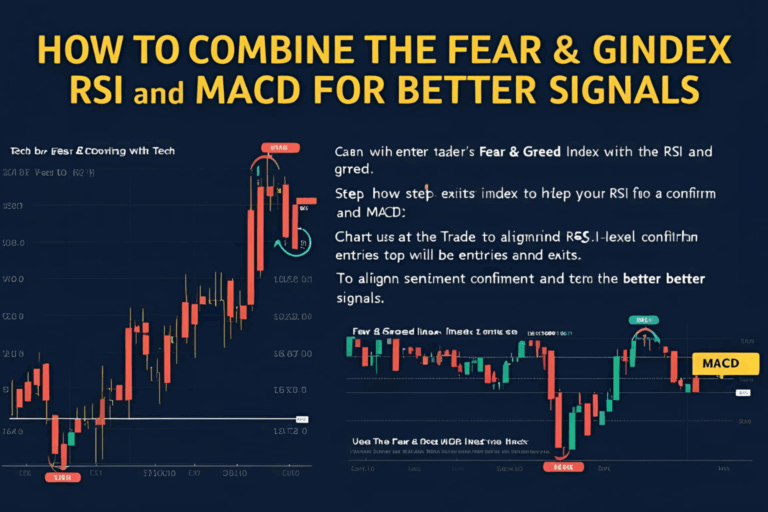
Sentiment tools like the Fear & Greed Index work best as secondary signals. Combine them with:
- Support/resistance levels
- RSI, MACD, or moving averages
- Volume confirmation
Example: Don’t buy just because the index hits “Extreme Fear”—wait for price to stabilize or show reversal signs.
2. Set Predefined Stop-Loss Levels
Before entering any trade based on sentiment:
- Define how much you’re willing to risk
- Place a stop-loss based on price action—not emotion
- Avoid moving stops based on hope or fear
Tip: Use ATR (Average True Range) to set stops that adapt to volatility.
3. Adjust Position Size According to Sentiment Extremes
When the market is extremely fearful or greedy, volatility is high. To manage this:
- Use smaller position sizes during extremes
- Scale in gradually instead of entering full-size positions
- Only increase size when trend confirmation supports it
4. Diversify Across Uncorrelated Assets
Don’t risk everything on one idea—even if the sentiment seems obvious.
- Diversify across different asset classes (stocks, crypto, commodities)
- Avoid overexposure to one sector driven by groupthink
This reduces the impact of sentiment-driven misjudgments in one market.
5. Use a Trading Journal to Track Emotion and Outcome
Sentiment trading involves human psychology—your own included. Track:
- Entry and exit points
- Reason for trade (sentiment level, technical setup, etc.)
- Emotional state before/after trade
Reviewing your journal can highlight patterns in when sentiment works—and when it doesn’t.
Practical Sentiment + Risk Setup Example
Let’s say the Crypto Fear & Greed Index hits a value of 10 (Extreme Fear):
- BTC is near long-term support.
- You enter a small position with a 3% stop-loss.
- You scale in more as RSI confirms bullish divergence.
- You exit partial positions near neutral sentiment (40–50 level).
This approach blends sentiment cues with structured risk control.
Common Mistakes to Avoid
- Overtrading during emotional peaks
Don’t assume every fear spike is a buy signal. - Ignoring volatility
Fear often comes with wide price swings—use wider stops, smaller sizes. - Letting emotions override your plan
Fear in the market can trigger fear in you. Stick to your setup.
FAQs
Should I trust the Fear & Greed Index blindly?
No. Use it as a context tool—not a timing tool. Combine it with technical and risk-based rules.
What’s the best way to limit risk in high-fear markets?
Reduce position sizes, set tighter stops, and avoid leverage unless you have strong confirmation.
Does sentiment work better in crypto or stocks?
It works in both, but crypto markets tend to show stronger emotional swings, making sentiment tools more reactive.
Can I hedge against extreme greed?
Yes, consider taking profits or opening hedges like inverse ETFs or short positions during extreme greed phases.
How often should I monitor sentiment indicators?
Once daily is sufficient. Constant monitoring can lead to overreaction.